


University of Southern Mississippi Athletics
Bigger Than Basketball
12/26/2022 4:15:00 PM | General, Women's Basketball
It’s OK to not be OK
HATTIESBURG, Miss. – The American College of Sports Medicine (ACSM) reported that 30 percent of all female student-athletes and 25 percent of male student-athletes reported having anxiety. Shockingly, only 10 percent of those admitting to having mental illnesses actually sought out care.
The demands and structure of a student-athlete's life mean that much more than 25-30 percent are struggling at any time. Southern Miss women's basketball is attempting to change the stigma against mental health and start getting people to speak out for the better.
Early this season, at the Lady Eagle Thanksgiving Classic, the Lady Eagles dedicated the second day of the tournament to raising awareness for mental health.
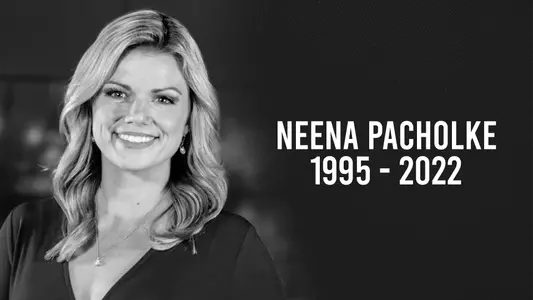
Lady Eagle assistant coach Kaitlynn Pacholke and her family lost a sister and daughter earlier this year after a back-and-forth struggle with mental illness. Neena Pacholke was 27 years old.
For many, Neena had an ideal life as a successful news anchor for WAOW in Wausau, Wis. The news anchor was co-host of Wake-Up Wisconsin and a key piece of the News 9 team.
"My sister was a college athlete years ago at USF and struggled with mental health for a long time, starting back when she was a college athlete," said Pacholke. "Mental health ultimately got the best of her, and we lost her to suicide."
"She entered into her career field as a news anchor and struggled quietly. Losing her, it opened my eyes. Since then, I've been diagnosed with depression; I've been diagnosed with anxiety. So many of my immediate family members and friends have said, 'Oh, I just didn't know.'"
Neena's story is one often overlooked. Her career as a news anchor is stark example of those struggling with mental health. Her ability to put on a new face each day on the air despite dealing with so much in private is just the same as someone dealing with mental health issues on their own and pretending everything is OK.
"For me, it just breaks my heart. We don't know what people are going through. My sister's field was very cutthroat and very intense, kind of like our athletes.' Whether she was in the public eye or not, she tried to get help but didn't want anyone to know."
Student-athletes at every school are in the same position as Neena. Their dedication to their game puts them on a pedestal for the whole world to see—the good and the bad. A poor performance can result in fans on social media degrading student-athletes where a good performance results in the highest of highs. This rollercoaster has no limits for athletes so visible to the public and, often times, they internalize their conflict to look their best on the court.
"I don't want that to be the case for our players. I want them to know that it's OK to get help. Mental illness doesn't make them look bad or weak, it's part of life. A lot of times, we tell our athletes to tough it out, but there are just some things you can't tough out."
Current Lady Eagles, as part of the effort to end the stigma against mental health, are speaking out about what mental health is to them.
"As athletes, we're put under so much stress to perform, to use our minds and think about so much all the time," said junior guard Domonique Davis. "Mental health goes hand-in-hand with our game because we have to be just as sharp mentally as we do physically."
"Taking care of yourself is just as important as taking care of others," said Lauren Gross, graduate student from Southaven, Miss. "People ask a lot of you as an athlete and we as a lot of ourselves every day. Making sure you take your mental health seriously is extremely important to be able to what we do."
"When you hurt your leg, you go to therapy to get it fixed," said Femi Funeus. "When you hurt your mind with negative thoughts and feelings, you need to go get it fixed too. Taking care of your thoughts and wondering ideas is important because not every thought is going to be positive. Mental health is accepting the negative thoughts and learning how to deal with and process them."
Mental health awareness is just the start of the battle. The Lady Eagles are pushing to end the stigma.
"The issue with mental health is that people are scared to talk about it and we need to change that. With breast cancer, we've had so much success of raising awareness around it with sports and our pink out games. That gets people talking about it so that no one will think its weird to be talking about a breast cancer awareness game.
We say all the time that our student-athletes' mental health matters but we're not doing anything more than saying that. We have to put action behind it and realize there is more to life than basketball. That's what we're here to do."
"If mental health would've been a bigger deal or something that Neena felt comfortable with, I don't think that we would've had this outcome. If someone could've done something like this and brought awareness to it, it might've changed her mindset."
Overall, Lady Eagle basketball wants to break down the stigma and let everyone know that it's OK to not be OK. Together, we can end the stigma.
For those suffering from mental health issues, help is out there. Ask a friend. Sometimes the answer is just a Google search away. For college students, use the resources available to you. Links to Southern Miss' Moffitt Health Center and Student Counseling Services are included on this article.
Ending the stigma takes all of us, together, realizing that mental health is just as important as our physical health. Ask your loved ones. Reach out to friends. Use your resources.
Suicide and Crisis Hotline: 988
SAMHSA Hotline: 1-800-622-HELP (4357)
CDC Links: https://www.cdc.gov/mentalhealth/tools-resources/individuals/index.htm
The demands and structure of a student-athlete's life mean that much more than 25-30 percent are struggling at any time. Southern Miss women's basketball is attempting to change the stigma against mental health and start getting people to speak out for the better.
Early this season, at the Lady Eagle Thanksgiving Classic, the Lady Eagles dedicated the second day of the tournament to raising awareness for mental health.
Lady Eagle assistant coach Kaitlynn Pacholke and her family lost a sister and daughter earlier this year after a back-and-forth struggle with mental illness. Neena Pacholke was 27 years old.
For many, Neena had an ideal life as a successful news anchor for WAOW in Wausau, Wis. The news anchor was co-host of Wake-Up Wisconsin and a key piece of the News 9 team.
"My sister was a college athlete years ago at USF and struggled with mental health for a long time, starting back when she was a college athlete," said Pacholke. "Mental health ultimately got the best of her, and we lost her to suicide."
"She entered into her career field as a news anchor and struggled quietly. Losing her, it opened my eyes. Since then, I've been diagnosed with depression; I've been diagnosed with anxiety. So many of my immediate family members and friends have said, 'Oh, I just didn't know.'"
Neena's story is one often overlooked. Her career as a news anchor is stark example of those struggling with mental health. Her ability to put on a new face each day on the air despite dealing with so much in private is just the same as someone dealing with mental health issues on their own and pretending everything is OK.
"For me, it just breaks my heart. We don't know what people are going through. My sister's field was very cutthroat and very intense, kind of like our athletes.' Whether she was in the public eye or not, she tried to get help but didn't want anyone to know."
Student-athletes at every school are in the same position as Neena. Their dedication to their game puts them on a pedestal for the whole world to see—the good and the bad. A poor performance can result in fans on social media degrading student-athletes where a good performance results in the highest of highs. This rollercoaster has no limits for athletes so visible to the public and, often times, they internalize their conflict to look their best on the court.
"I don't want that to be the case for our players. I want them to know that it's OK to get help. Mental illness doesn't make them look bad or weak, it's part of life. A lot of times, we tell our athletes to tough it out, but there are just some things you can't tough out."
Current Lady Eagles, as part of the effort to end the stigma against mental health, are speaking out about what mental health is to them.
"As athletes, we're put under so much stress to perform, to use our minds and think about so much all the time," said junior guard Domonique Davis. "Mental health goes hand-in-hand with our game because we have to be just as sharp mentally as we do physically."
"Taking care of yourself is just as important as taking care of others," said Lauren Gross, graduate student from Southaven, Miss. "People ask a lot of you as an athlete and we as a lot of ourselves every day. Making sure you take your mental health seriously is extremely important to be able to what we do."
"When you hurt your leg, you go to therapy to get it fixed," said Femi Funeus. "When you hurt your mind with negative thoughts and feelings, you need to go get it fixed too. Taking care of your thoughts and wondering ideas is important because not every thought is going to be positive. Mental health is accepting the negative thoughts and learning how to deal with and process them."
Mental health awareness is just the start of the battle. The Lady Eagles are pushing to end the stigma.
"The issue with mental health is that people are scared to talk about it and we need to change that. With breast cancer, we've had so much success of raising awareness around it with sports and our pink out games. That gets people talking about it so that no one will think its weird to be talking about a breast cancer awareness game.
We say all the time that our student-athletes' mental health matters but we're not doing anything more than saying that. We have to put action behind it and realize there is more to life than basketball. That's what we're here to do."
"If mental health would've been a bigger deal or something that Neena felt comfortable with, I don't think that we would've had this outcome. If someone could've done something like this and brought awareness to it, it might've changed her mindset."
Overall, Lady Eagle basketball wants to break down the stigma and let everyone know that it's OK to not be OK. Together, we can end the stigma.
For those suffering from mental health issues, help is out there. Ask a friend. Sometimes the answer is just a Google search away. For college students, use the resources available to you. Links to Southern Miss' Moffitt Health Center and Student Counseling Services are included on this article.
Ending the stigma takes all of us, together, realizing that mental health is just as important as our physical health. Ask your loved ones. Reach out to friends. Use your resources.
Suicide and Crisis Hotline: 988
SAMHSA Hotline: 1-800-622-HELP (4357)
CDC Links: https://www.cdc.gov/mentalhealth/tools-resources/individuals/index.htm


Players Mentioned

Guard
/ Women's Basketball
Forward
/ Women's Basketball


Guard
/ Women's BasketballWomen's Basketball Postgame Press Conference - Jan. 22 vs. Marshall
Friday, January 23
Women's Basketball Condensed Game - 1/1/2026 vs. Troy
Saturday, January 03
Women's Basketball Postgame Press Conference - Jan. 3 vs. Troy
Saturday, January 03
Game Highlights - Southern Miss vs. UAB
Monday, December 08